R Cheaper

ForceMart

Feel Like a Soldier | Live the Army Spirit | Shop Trusted Gear

Branded Clothing Choices for Armed Forces
ForceMart, Fashion & Lifestyle

12 Top Branded Clothing Choices for Armed Forces Professionals

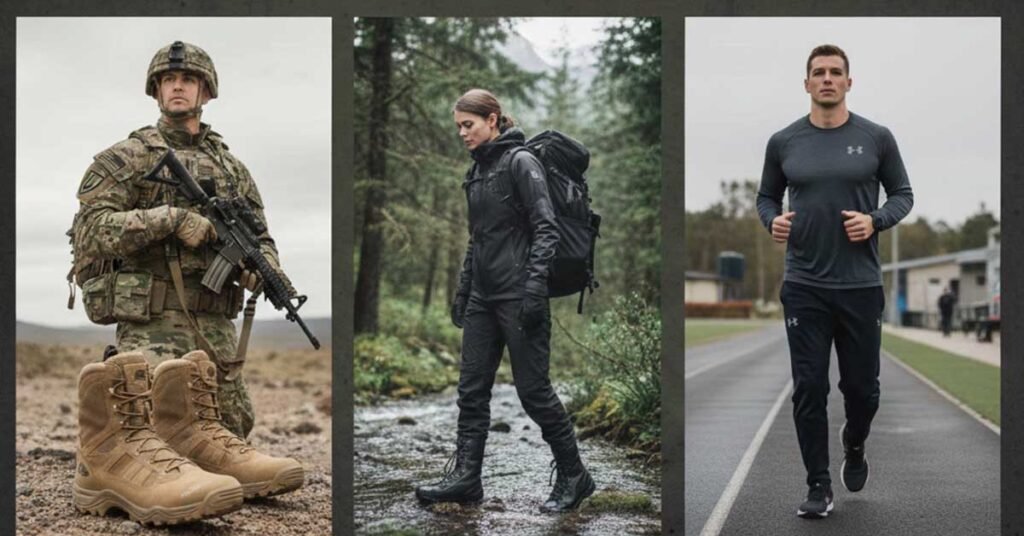
Top Branded Clothing Choices for Armed Forces Professionals For armed force professionals, clothing is far more than a matter of appearance. It is a critical part of their daily operations, personal comfort, and professional identity. Whether on active duty, during training, or off-duty hours, the right branded clothing ensures durability, functionality, and confidence. Unlike ordinary apparel, military-oriented branded clothing is designed to withstand harsh conditions, challenging terrain, and extended wear, all while maintaining a disciplined and professional look. In today’s market, several renowned brands focus on creating clothing specifically for armed forces personnel, combining advanced fabric technology, rugged construction, and tactical design. This guide explores the top branded clothing choices for armed forces professionals and explains how to select the best apparel that meets performance, comfort, and style requirements. Why Branded Clothing Matters for Armed Force Professionals Durability Under Extreme Conditions Armed force professionals often operate in demanding environments such as high heat, freezing temperatures, rough terrain, and unpredictable weather. Branded military clothing is engineered with reinforced stitching, rip-resistant fabrics, and weather-resistant materials that ensure longevity even in the toughest conditions. Enhanced Comfort and Mobility Comfort plays a vital role during long duty hours. Premium brands focus on ergonomic designs, breathable materials, moisture-wicking fabrics, and flexible fits that allow free movement without sacrificing protection or structure. Professional Appearance Uniformity and professionalism are key elements of armed forces. Branded clothing ensures a consistent, disciplined look while maintaining high-quality standards and smart aesthetics. Safety and Functionality Many branded clothing options include functional features such as multiple pockets, reinforced knee panels, reflective strips, and abrasion-resistant surfaces to enhance safety and utility. Key Types of Branded Clothing for Armed Force Personnel Tactical Uniforms Tactical uniforms are the backbone of armed force clothing. These include combat shirts, trousers, and jackets designed for operational efficiency. Top brands provide uniforms with: Ripstop fabric technology : Uniforms, Body Armor, Backpacks, and Tents Reinforced elbows and knees.  Adjustable waists: Activewear, casual pants, shorts, and some dresses and skirts, drawstrings are cords or ribbons threaded Wildcraft Rucksack Large Save upto 33% Check Price Buy from Amazon Quechua Decathlon Small Backpack Save upto 40% Check Price Buy from Amazon F Gear Military Tactical Casual Backpack Save upto 54% Check Price Buy from Amazon Combat Boots & Footwear High-quality boots are essential for endurance. Leading brands focus on shock absorption, ankle support, anti-slip soles, and waterproof materials to ensure stability and comfort in all terrains. Training & Fitness Wear Physical fitness is crucial for armed force readiness. Branded training clothing includes sweat-resistant t-shirts, compression wear, flexible track pants, and lightweight jackets optimized for intense activity. Indian Army Operation Sindoor Graphic T-Shirt Save upto 63% Check Price Buy from Amazon Indian Army Cotton T-Shirt Save upto 60% Check Price Buy from Amazon WarriorWorld Men’s Cotton T-Shirt Save upto 60% Check Price Buy from Amazon Winter & Cold-Weather Gear For professionals stationed in cold regions, premium winter wear such as insulated jackets, thermals, fleece layers, and weatherproof outerwear help maintain optimal body temperature without restricting movement. Casual & Off-Duty Clothing Many brands now offer military-inspired casual wear including polos, hoodies, cargo pants, and tactical jeans, suitable for relaxed settings while retaining the disciplined look. Men’s Solid Cotton Zipper Hoodies Save upto 64% Check Price Buy from Amazon Classic Casual Style, High Neck, Stylish, Winter Wear Save upto 64% Check Price Buy from Amazon Men’s Water Resistant Jacket For Winter Season Save upto 80% Check Price Buy from Amazon Top Branded Clothing Features to Look For ✅ Fabric Quality Look for materials like polyester blends, cotton twill, Cordura, and soft-shell fabrics that provide strength and breathability. ✅ Fit and Flexibility Ensure the clothing allows unrestricted movement, especially during training or tactical operations. ✅ Weather Resistance Waterproof, windproof, and thermal-insulated features are crucial for varying climates. ✅ Ventilation & Moisture Control Sweat-wicking and breathable technology keeps the body dry and comfortable during intense activity. ✅ Load-Carrying Capability Multiple utility pockets, MOLLE systems, and reinforced seams enhance practicality. Best Branded Clothing Categories for Armed Forces Tactical Shirts Engineered for durability, tactical shirts provide breathability and reinforced construction for extended missions. They are typically made with ripstop fabric and offer quick-dry capabilities. Tactical Pants Designed with stretch fabric and reinforced stitching, branded tactical pants offer mobility, strength, and multiple storage pockets for essential gear. Outerwear & Jackets Premium jackets offer protection against wind, rain, and extreme cold while maintaining a professional military appearance. Base Layers Thermal innerwear and compression clothing regulate body temperature and provide comfort under heavy gear. Regular Fit Cotton Shirts Save upto 48% Check Price Buy from Amazon Cotton Cargo Pants for Men Regular Fit Save upto 84% Check Price Buy from Amazon Men’s Water Resistant Jacket For Winter Season Save upto 85% Check Price Buy from Amazon How to Choose the Right Branded Clothing for Armed Forces Identify Your Purpose Is the clothing required for combat operations, training, or casual use? Selecting apparel based on purpose ensures maximum efficiency and comfort. Consider Environment & Climate Choose materials and clothing based on your operational environment such as desert, mountainous, or cold regions. Prioritize Comfort Over Style While appearance matters, functionality and comfort should always come first for professional gear. Check Brand Reputation Reputable brands offer tested, durable products that align with military performance standards. Read Reviews & Feedback Real user feedback can help determine the reliability and quality of the product before purchase. Benefits of Investing in Premium Branded Clothing Increased lifespan of apparel Better performance during missions Enhanced physical comfort Professional and disciplined appearance Reduced risk of injury or discomfort Investing in premium clothing saves money in the long run by reducing replacement frequency and ensuring consistent performance. Military-Inspired Fashion Trends Modern military fashion has extended beyond uniforms into lifestyle clothing. Popular trends include: Tactical cargo pants for urban wear Military boots for rugged styling Camouflage hoodies and jackets Performance polos with military insignia These trends reflect the blend of functionality and fashion for today’s armed force professionals. Future of Branded Clothing for
10 Best Electric Winter Gadgets
Survival Kits, ForceMart

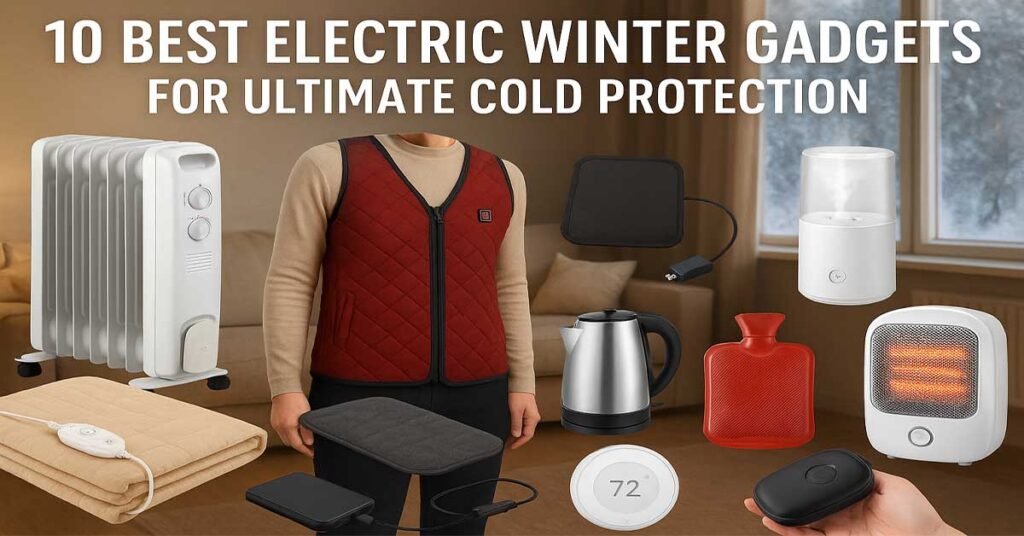
10 Best Electric Winter Gadgets for Ultimate Cold Protection

Plus 10 Regular Household Gadgets Every Winter Home Needs Winter brings calm, cozy vibes — but it also brings freezing mornings, numb fingers, icy floors, and shivering nights. While blankets and woolens help, modern electric gadgets have changed the way we fight cold. Today, technology allows us to stay warm, reduce discomfort, and maintain productivity even in harsh winter conditions. In this guide, you’ll explore the 10 best electric winter gadgets for ultimate cold protection along with 10 regular household electric appliances that become absolute necessities during the winter season — including the highly demanded geyser (water heater). This blog is designed to help homeowners, families, armed forces personnel, and daily users make smart decisions for winter comfort. Why Electric Winter Gadgets Are Essential Electric gadgets provide controlled, efficient, and targeted warmth. Instead of heating an entire home unnecessarily, you can warm specific areas or body parts — saving energy and money while maximizing comfort. They also protect health by reducing exposure to extreme cold, preventing joint pain, muscle stiffness, and respiratory problems. 10 Regular Electric Gadgets Essential for Winter These are everyday electric appliances that become especially important during winter. Ceramic Room Heater A ceramic heater is perfect for quick warm-up. It blows warm air and raises the temperature of a room in just minutes. Ideal for bedrooms, study rooms, and offices. Benefits: Instant heat Energy-efficient Compact design Compare the Best Geyser Before You Buy Kenstar Splash 5.9 L Water Heater (Geyser) with Free Pipe Save upto 63% Check Price Buy from Amazon Instant Geyser for Kitchen & Bathroom Save upto 40% Check Price Buy from Amazon Instant water heater (Geyser) Save upto 53% Check Price Buy from Amazon Oil-Filled Radiator Heater Unlike fan heaters, oil-filled heaters provide slow but long-lasting warmth. They are noiseless and perfect for overnight use. Benefits: Consistent heat Safe for sleeping areas Low oxygen consumption Check the Best Oil-Filled Radiotor Before You Buy Oil Filled Room Heater Save upto 40% Check Price Buy from Amazon Glen Electric Oil Filled Radiator Room Heater Save upto 24% Check Price Buy from Amazon USHA Oil Filled Radiator 2000W Save upto 53% Check Price Buy from Amazon Water Immersion Rod A budget-friendly option to heat water quickly in buckets. Water Heater Rod Heater for Bathroom Immersion Rod Save upto 40% Check Price Buy from Amazon Rechargeable Hand Warmers These pocket-sized devices are lifesavers during cold mornings and evening commutes. Benefits: Multiple heat modes Doubles as power bank Eco-friendly alternative Hand Warmers Rechargeable Save upto 44% Check Price Buy from Amazon How to Choose the Right Winter Electric Gadgets When buying electric winter gadgets, consider: Room size and heating capability Power consumption ratings Safety certifications (ISI / CE) Thermostat and auto shut-off Warranty and brand reputation Safety Tips for Winter Electric Gadgets Always keep heaters away from curtains and bedding Never overload sockets Avoid using damaged cables Turn off gadgets when not in use Use certified power outlets How These Gadgets Improve Daily Winter Life ✔ Easier mornings✔ Better sleep quality✔ Reduced cold-related sickness✔ Lower heating bills✔ Enhanced productivity at work and home Winter comfort isn’t luxury — it’s a necessity. Final Thoughts Surviving winter comfortably is no longer a struggle when you have the right electric gadgets. From powerful heaters and electric blankets to essential daily appliances like geysers and kettles, each device plays an important role in keeping your home warm, safe, and functional. By combining smart technology with safety-conscious choices, you not only beat the cold but create a cozy environment for your entire family. Invest wisely, stay warm, and enjoy a worry-free winter. FAQs About Survival Kits Why are winter safety tips important? Winter conditions can cause hypothermia, frostbite, accidents, and visibility issues. Following safety tips helps protect your health, improves preparedness, and reduces risks during cold weather. What clothing should I wear to stay warm in winter? Wear layered clothing, including thermal innerwear, fleece mid-layers, insulated jackets, waterproof gloves, wool socks, and a windproof outer layer. Layering traps heat and keeps your body warm. How can armed personnel stay safe during winter operations? Armed personnel should use insulated tactical gear, maintain dry clothing, protect weapons from moisture, use non-slip boots, and monitor weather changes constantly. Hydration and proper nutrition are also essential. How can I prevent frostbite in extremely cold conditions? Keep skin covered, avoid prolonged exposure, wear insulated gloves and socks, keep your body dry, and warm up regularly. Early signs like numbness or pale skin require immediate attention.

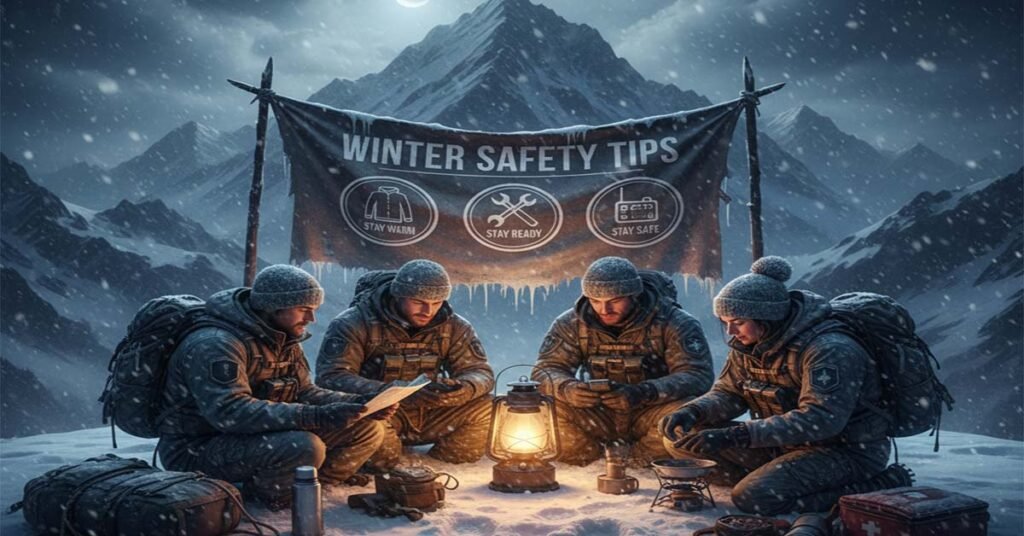
Winter Safety Tips
Survival Kits, ForceMart

Winter Safety Tips: Stay Warm, Stay Ready, Stay Safe

Introduction When the temperature drops and the cold winds sweep across the land, winter brings not only its beauty but also serious challenges — especially for armed personnel, outdoor adventurers, and those who work or travel in extreme weather. Winter demands discipline, preparation, and smart safety practices to protect yourself, your gear, and your mission. Whether you are in uniform, on patrol, deployed in a remote terrain, or simply commuting through a snowy city, following essential winter safety tips can make all the difference.Let’s explore how to stay warm, alert, and mission-ready even in the harshest cold. Understanding the Winter Threat Winter is not just about snow and ice — it’s a battle against elements. Hypothermia, frostbite, dehydration, and slippery terrain can turn an ordinary situation into an emergency. For armed personnel and adventurers, these conditions become even more dangerous because you often carry heavy loads, wear tactical gear, or operate in environments where quick reactions and clear thinking are vital. Main winter hazards include: Main winter hazards include: Cold stress (hypothermia, frostbite) Slippery terrain and ice falls Limited visibility Reduced dexterity and slow reaction time Gear malfunction due to freezing temperatures Knowing these threats helps you prepare better and respond effectively. Dress Smart: Layer for Survival Your first line of defense against the cold is your clothing. Dressing smart is not just about comfort — it’s about survival. The Layering System Follow the three-layer rule: Base Layer: Wicks moisture away from your skin. Use synthetic or merino wool fabric, not cotton. Cotton traps moisture and increases the risk of hypothermia.Example: Thermal underwear or compression wear. Middle Layer: Insulates and retains body heat. Fleece jackets, wool sweaters, or lightweight insulated gear are ideal.Example: Polar fleece jacket or softshell mid-layer. Outer Layer: Shields against wind, rain, and snow. Choose windproof and waterproof tactical jackets or parkas.Example: Gore-Tex outer shell or military-grade cold weather jacket. Pro Tip: Make sure your clothing isn’t too tight — restricted circulation means less warmth. Protect Your Extremities Hands, feet, and face lose heat the fastest. Neglecting them can lead to frostbite in minutes during sub-zero conditions. Gloves: Use insulated, water-resistant gloves that still allow trigger control or operational flexibility. Carry a backup pair in case one gets wet. Socks: Wool or moisture-wicking socks are best. Change them often to avoid blisters and dampness. Boots: Tactical or insulated boots with strong grip and waterproof design prevent frostbite and slips. Face Protection: A balaclava or thermal mask shields your skin from freezing wind and snow glare. Headgear: Nearly 30% of your body heat escapes through the head. A beanie or insulated cap under your helmet helps retain warmth. 1 Our Best Pick Lux Cottswool Men’s Cotton Thermal Set Save up to 30% Check Price Check on Amazon 1 Our Best Pick Men’s Dra-fit,Regular Fit Athletic T-Shirt, Black, Stretchable Workout Wear Save up to 67% Shop Now Check on Amazon Hydration and Nutrition: Fuel Your Body Cold weather suppresses thirst, but your body still needs hydration. Dehydration increases fatigue, confusion, and heat loss. Drink warm fluids: Herbal teas, soups, or warm water help maintain core temperature. Avoid alcohol: It gives a false sense of warmth and causes rapid heat loss. Eat energy-rich meals: Focus on high-calorie foods such as nuts, protein bars, jerky, and whole grains. Your body burns more energy in cold conditions to maintain warmth. Pack emergency rations: Always keep ready-to-eat meals (MREs) or snacks in your tactical pack. Best Seller 1.5 litre Hot Kettle and Stainless Steel Water Bottle Save upto 55% Check Price Gear Maintenance in Cold Weather Best Seller Army Shooting Outdoor Breathable Gym & Fitness, Cycling Riding Gloves Save upto 62% Check Price Cold affects not just your body — but your equipment too. For armed personnel and outdoor operators, weapon and gear reliability can be life-saving. Tips for cold weather gear maintenance: Clean and dry weapons before exposure to freezing temperatures. Use cold-weather lubricants — regular oil can thicken or freeze. Keep batteries warm — store them close to your body; cold drains battery life fast. Avoid metal contact with bare skin — it can cause frostbite instantly. Use Handgolves Waterproof your gear — snow and condensation can damage electronics and optics. Bonus Tip: If using GPS, radios, or flashlights, always carry spare batteries in insulated pouches. Stay Alert: Mind Over Cold Cold impacts not just the body, but also the mind. Slower reaction time, reduced focus, and fatigue can compromise safety and mission readiness. To maintain mental sharpness: Get adequate sleep — even a few hours of rest in warmth restores alertness. Stay connected — communicate with teammates or base frequently. Keep morale high — a positive mindset is crucial in extreme conditions. Avoid isolation — work in pairs or teams whenever possible. For armed forces personnel, discipline and teamwork are your greatest assets during winter operations. Vehicle and Travel Safety Whether on patrol vehicles, jeeps, or civilian cars, winter driving demands caution and preparation. Before heading out: Check tire condition and pressure. Keep fuel tank at least half full to prevent fuel line freezing. Carry a winter emergency kit: flashlight, first-aid kit, blankets, shovel, sand or salt, and jumper cables. Keep communication devices charged and easily accessible. Never leave without informing your route and expected return time. If stranded, stay with your vehicle — it provides shelter and makes rescue easier. Home and Family Preparedness When you’re off duty or with family, winter safety still matters. Insulate your home and seal doors/windows. Keep emergency supplies: heaters, torches, food, water, and blankets. Educate family members about frostbite and safe heating practices. Never use open flames indoors for warmth. Ensure smoke and carbon monoxide detectors are functional. Preparedness isn’t just about yourself — it’s about keeping your loved ones safe too. Final Thoughts: Stay Warm, Stay Vigilant Winter can be both breathtaking and brutal. For armed personnel, adventurers, and civilians alike, the key to survival lies in preparation, awareness, and adaptability. As the cold intensifies, so should your vigilance. Dress smart,

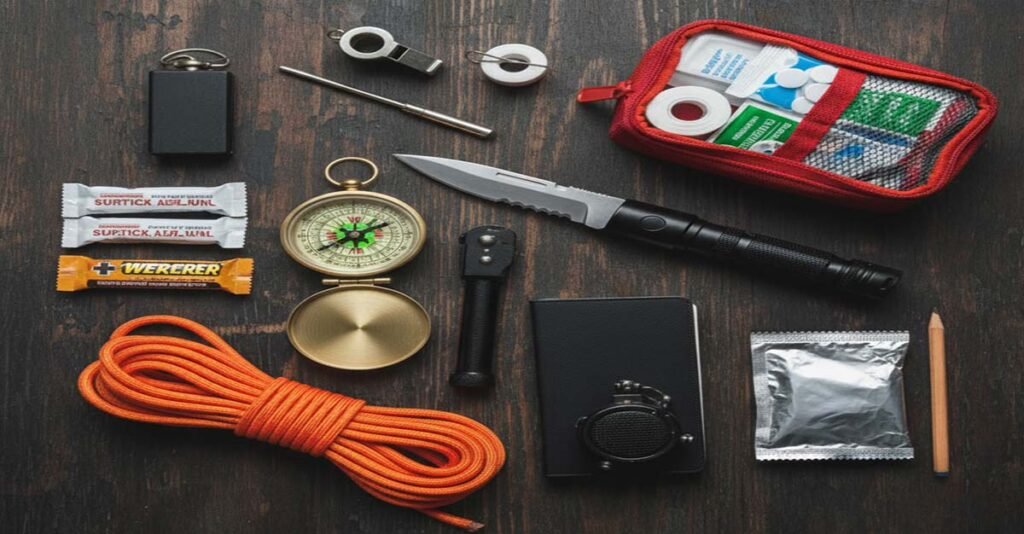
All types of survival kit essentials including LED light, compass, knife, and rope
Survival Kits, ForceMart

All Types of Survival Kits: Complete Guide to Essential Emergency Tools

Introduction In today’s unpredictable world, survival kits have become a must-have for everyone — from campers and soldiers to travelers and homeowners. These compact kits contain life-saving tools like multitasking LED lights, compasses, thermometers, and knives that help you stay safe during any emergency. Whether you’re in the wilderness or facing a power outage at home, having the right kit ensures safety, confidence, and peace of mind. What Is a Survival Kit? A survival kit is a portable collection of essential tools designed to help you survive during unexpected emergencies. It includes everything you might need to navigate, signal for help, treat injuries, or stay warm and hydrated. From short outdoor trips to military missions, survival kits are tailored to different environments and needs. Different Types of Survival Kits Basic Survival Kit A basic survival kit includes essential tools for daily or short-term emergencies such as: Flashlight or multitasking LED torch Compass with thermometer Whistle for signaling Fire starter or waterproof matches First-aid supplies Small multipurpose knife Ideal for home safety, short trips, or emergency preparedness. Outdoor Adventure Survival Kit Image Product Features Price Our Pick 1 5 Flashlight or multitasking LED torch Adjustable Focus, Lightweight, Weatherproof Purchase Now Check on Amazon 2 5 First Aid Box For Medical Emergency Kit Bag Heavy Duty And Large Capacity Military Grade Rip-Away Ifak Pouch For Sports, Hiking, Camping, Traveling (Bag Only), Black Purchase Now Check on Amazon 3 5 Multi-purpose Knife 15-in-1 multi-function tool includes a knife Purchase Now Check on Amazon For hikers, campers, and nature lovers, this kit is designed for outdoor survival: Solar-powered multitasking LED light Compass thermometer combo Paracord rope Portable cooking tools Foldable knife Mini first-aid pack This kit is lightweight, water-resistant, and easy to carry on long treks. Tactical Military Survival Kit Used by armed forces and adventure professionals, this heavy-duty kit is built for extreme environments.It usually contains: Tactical LED flashlight with strobe and SOS mode High-quality self-defense knife Fire starter and flint rod Compass with temperature gauge Water purification tablets Emergency signaling mirror Thermal blanket Durable and weatherproof, these kits are mission-ready and reliable under pressure. Vehicle Survival Kit A must-have for all drivers and road travelers.This kit typically includes: LED emergency light or beacon Jumper cables Compact knife and tools Blanket and gloves Small fire extinguisher First-aid kit Compass A vehicle survival kit ensures you’re prepared for breakdowns, accidents, or long drives in remote areas. Urban Survival Kit City dwellers need this kit for urban emergencies like power cuts, travel delays, or unexpected events.Includes: Rechargeable LED light Power bank Multipurpose tool First-aid items Mask and sanitizer Snacks and water bottle Compact and stylish, perfect for office or daily carry. Must-Have Items in Every Survival Kit Specialized Survival Kits Depending on your needs, you can find: Marine Survival Kits – Waterproof for boating and fishing trips. Hunting Kits – Include camouflage and tactical tools. First Responder Kits – For medical emergencies. Camping Kits – Lightweight kits for outdoor adventurers. Each type is designed for specific environments and user needs. Benefits of Owning a Survival Kit Before buying a kit, consider these factors: Purpose: Outdoor, home, vehicle, or tactical use Quality: Waterproof, rust-resistant, and long-lasting materials Portability: Compact and easy to carry Contents: Includes essential survival tools and first-aid supplies How to Choose the Right Survival Kit Owning a survival kit is more than just being prepared — it’s being smart and self-reliant.Key Benefits: Keeps you safe during natural disasters or accidents Provides essential tools for survival Saves time and energy in emergencies Boosts confidence and readiness anywhere you go Conclusion Emergencies can strike anytime — but being prepared makes all the difference. A complete survival kit with tools like multitasking LED lights, compass thermometers, and self-defense knives ensures you are ready for any situation. Whether you’re exploring the wilderness or driving through the city, a survival kit is your ultimate partner for safety, protection, and peace of mind. Stay prepared, stay safe, and stay strong. FAQs About Survival Kits What is the most important tool in a survival kit? The most essential items are a multitasking LED light, first-aid kit, and knife — these ensure visibility, safety, and protection. How often should I check my survival kit? Inspect your kit every 3 to 6 months to replace expired or damaged items. Can I make my own survival kit? Yes, you can assemble your own kit based on your location, lifestyle, and specific needs. Are survival kits waterproof? Most modern survival kits come with waterproof pouches or containers to keep tools safe and dry.

Indian Army Ranks
ForceMart

The Ultimate Guide to Indian Army Ranks That Boosts Your Knowledge

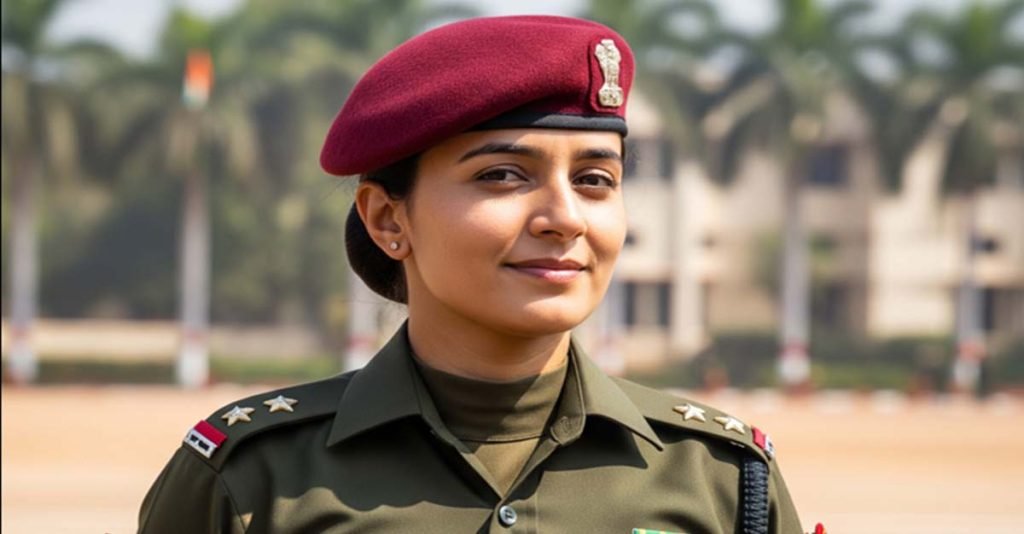
The Indian Army Ranks structure is a clear hierarchy that is necessary to maintain discipline, command-control, and operational effectiveness. The ranks are broadly categorized into three groups: Commissioned Officers, Junior Commissioned Officers (JCOs), and Other Ranks (Non-Commissioned Officers and Soldiers). Each rank comes with its own set of duties, responsibilities, and insignia that represent experience and authority. Commissioned Officers In the Indian Army Ranks, officers are the leaders of the army, responsible for commanding units from a small platoon to the entire army. Their insignia often includes stars and the national emblem Lieutenant: Lieutenant is the most basic officer rank.. A Lieutenant commands a platoon of about 50 soldiers and is responsible for their day-to-day management, training, and welfare. Captain: An important figure in tactical operations and planning, a captain leads a company of roughly 120 soldiers. Major: A Major serves as a second-in-command of a battalion or leads a specialized unit. The insignia for this rank is the national emblem. Lieutenant Colonel: A senior officer who commands a smaller unit or serves as second-in-command of a battalion. Colonel: A Colonel commands a full battalion, overseeing its logistics, operations, and personnel. Brigadier: A Brigadier in the Indian Army is a senior commissioned officer, ranked above Colonel and below Major General. It’s a one-star rank, and typically, a Brigadier commands a brigade, which consists of several battalions and support units. Major General: This two-star officer is in charge of a division that has thousands of soldiers spread across several brigades. Lieutenant General: A three-star officer who leads a corps, a very large formation of several divisions. General: The highest attainable active rank. The General is the Chief of the Army Staff (COAS) and oversees the entire army. Field Marshal: An honorary rank awarded for exceptional service. Sam Manekshaw and K. M. Cariappa are the only two Field Marshals in Indian Army history. Junior Commissioned Officers (JCOs) In the Indian Army Ranks, JCOs are a unique group that bridges the gap between the commissioned officers and the non-commissioned officers. They are experienced soldiers who have risen from the ranks to a commissioned status. Naib Subedar: Acts as a bridge between commissioned officers and enlisted personnel. They often lead platoons and are responsible for the discipline, training, and welfare of troops. Usually promoted from the rank of Havildar based on merit, experience, and performance. Subedar: A respected and experienced JCO who often serves as the moral compass of a unit. The insignia is two gold stars with a stripe. Subedar Major: The most senior JCO is the Subedar Major. They advise the battalion commander on discipline, welfare, and operations.  Other Ranks (Non-Commissioned Officers and Soldiers) Sepoy: In the Indian Army Ranks the lowest enlisted rank is Sepoy. Sepoys are the frontline soldiers who perform the primary combat duties. There is no insignia for this rank. Lance Naik: A junior supervisory role, assisting higher ranks and leading small groups of soldiers. The insignia is a single chevron. Naik: A non-commissioned officer responsible for leading a squad of 8 to 10 soldiers. The insignia is two chevrons. Havildar: The most senior noncommissioned officer, a Havildar is in charge of training and disciplining a platoon of 20–30 soldiers. The insignia is three chevrons. FAQ What are the primary rank categories of the Indian Army? Commissioned Officers Junior Commissioned Officers (JCOs) Other Ranks (Ors How does someone become a Junior Commissioned Officer (JCO)? JCOs are promoted from the ranks of Non-Commissioned Officers (NCOs) based on their performance, seniority, and ability to pass promotion exams. They are seen as experienced and respected leaders who have risen through the ranks, bringing valuable field experience to their supervisory roles. What are the key responsibilities of a Major? A Major is a mid-level commissioned officer who typically commands a company, which consists of about 120-150 soldiers. Their duties are multifaceted and include: Leadership and Command: Making critical operational decisions and ensuring the combat readiness of their company. Training and Discipline: Designing and overseeing training programs to ensure soldiers are proficient and disciplined. Administration: Managing logistics, equipment, and resources for their unit. Welfare: Ensuring the well-being and morale of their soldiers. What is the role of a Lieutenant General? A Lieutenant General is a three-star commissioned officer who commands a corps, which is a large formation comprising multiple divisions (30,000-50,000 soldiers). They are responsible for shaping regional military strategies and guiding large-scale operations.

Scroll to Top