
R Cheaper

Spirituality

Navaratri-RCheaper
Spirituality

Your Complete Guide to Navaratri 2025 – Dates, Significance, Rituals, and Celebrations

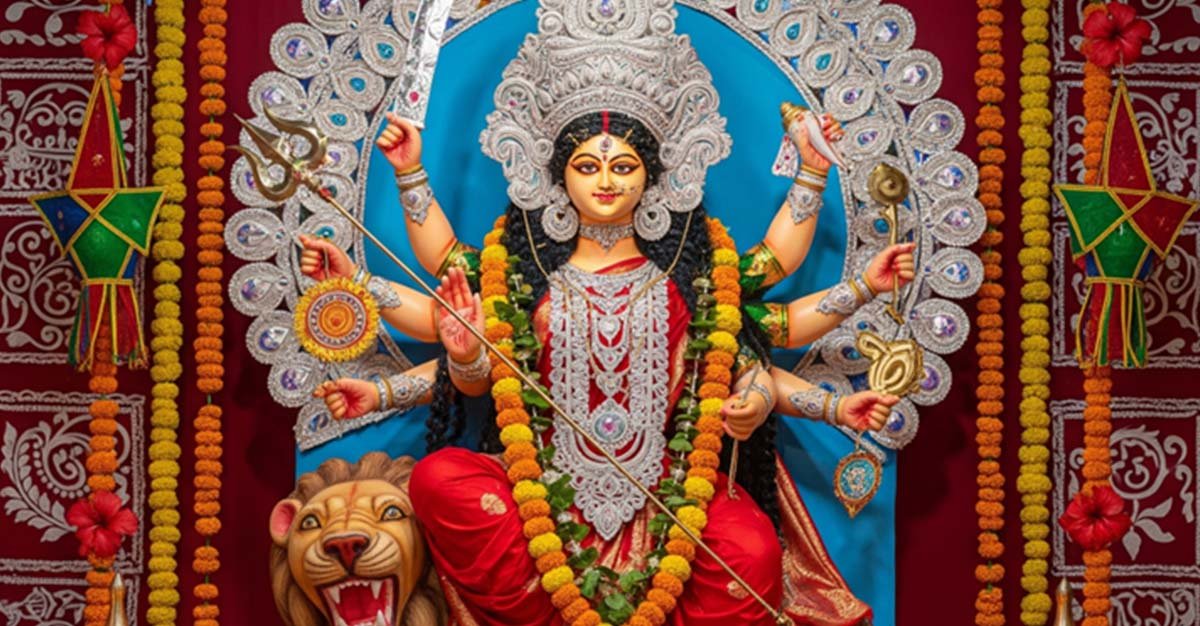
One of India’s holiest and most important festivals is Navaratri, which translates to “nine nights” in Sanskrit. Celebrated twice a year—Chaitra Navaratri in spring and Sharad Navaratri in autumn—it honors the divine feminine energy in the form of Goddess Durga and her nine avatars. In 2025, Navaratri promises to be a spectacular blend of devotion, tradition, and celebration. Navaratri 2025 Dates There are two major Navaratris in 2025: Chaitra Navaratri: March 30 to April 7, 2025 Sharad Navaratri: September 22 to October 1, 2025 The festival culminates on October 2, 2025, with Vijayadashami (Dussehra), which symbolizes the triumph of good over evil significance of Navaratr. Navaratri is more than a religious observance-it’s a spiritual journey. Each day is dedicated to one of the nine forms of Goddess Durga, known as the Navadurga, each representing a unique virtue: These colors are worn by devotees each day to align with the goddess’s energy. Rituals and Observances Navaratri rituals vary across regions, but some practices are universally followed: Ghatasthapana (Kalash Sthapana) On Day 1, a sacred pot (kalash) is installed symbolizing the goddess’s presence. It’s filled with water, mango leaves, and coconut, and placed on a bed of rice or soil. Daily Puja and Aarti Each day, devotees perform puja for the respective goddess, chant mantras, and offer flowers, fruits, and sweets. Fasting Many observe fasts—either consuming only fruits and milk or one meal a day. It’s a form of spiritual cleansing and discipline. Garba and Dandiya Raas In Gujarat and Maharashtra, evenings come alive with Garba and Dandiya dances. People dance in circles to devotional music, donning bright clothing. Kanya Puja On the eighth or ninth day of the celebration, young girls—honored as embodiments of the goddess—are revered with gifts and special meals. Regional Celebrations India celebrates Navaratri in a variety of ways, each with its own unique flair: West Bengal: Known as Durga Puja, massive idols of Goddess Durga are installed in elaborate pandals. Immersion ceremonies, rituals, and cultural performances fill the last five days. Tamil Nadu: Families display Golu dolls—tiered arrangements of deities, saints, and mythological scenes. Women exchange gifts and sing devotional songs. Karnataka: Mysore’s Dasara is a royal affair with processions, music, and illuminated palaces. Punjab: Devotees observe Jagratas—night-long singing of bhajans and kirtans. Himachal Pradesh: The festival ends with Kullu Dussehra, a week-long celebration with deities from nearby villages paraded in a grand procession. Food and Fasting Guidelines During Navaratri, food is sattvic—pure and light. Common fasting foods include: Sabudana khichdi Kuttu (buckwheat) puris Singhara (water chestnut) flour dishes Fruits and milk No onion, garlic, or grains Spiritual and Cultural Impact Navaratri is a season of reflection, rebirth, and festivity. It’s a reminder of the power of feminine energy, the importance of discipline, and the joy of community. Whether through dance, prayer, or fasting, each ritual connects us to something deeper. Visual Glimpses of Navaratri Here are some stunning photographs that capture the essence of Navaratri—from Garba nights to Durga Puja pandals. These images will be displayed below to enrich your blog visually. Final Thoughts Navaratri 2025 is a celebration of spiritual awakening, cultural diversity, and divine energy rather than merely a festival. Whether you’re observing it through rituals or simply soaking in the festive spirit, let these nine nights inspire strength, joy, and transformation.
Radha Ashtami 2025
Spirituality

Radha Ashtami 2025: Date, Significance, Puja Vidhi & Fasting Rituals

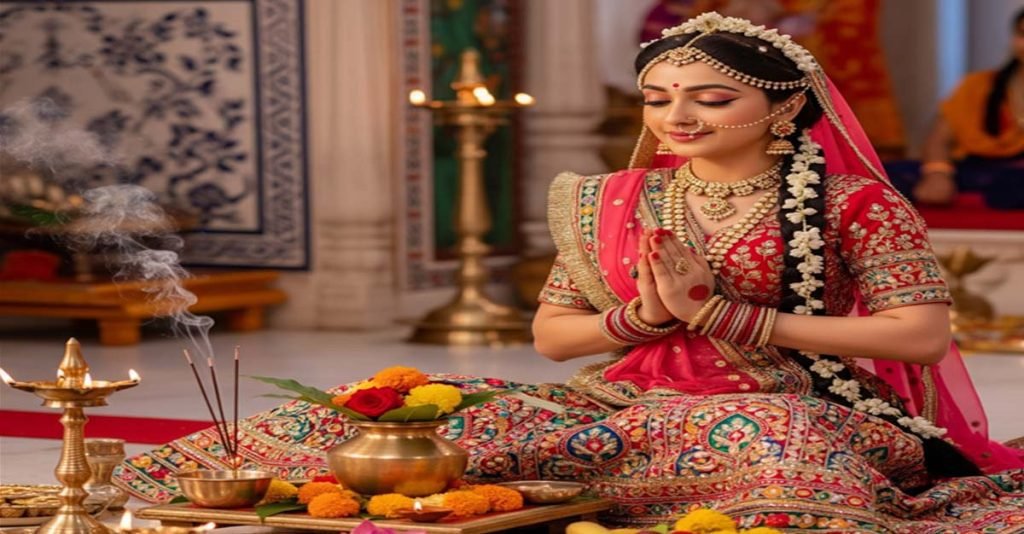
Radha Ashtami 2025: Radha Ashtami is one of the most auspicious Hindu festivals, celebrated with deep devotion and love across India and many parts of the world. It celebrates the day that Goddess Radha Rani, the eternal spouse of Lord Krishna and the personification of unadulterated devotion (bhakti), made her divine appearance. In 2025, Radha Ashtami will be observed with great enthusiasm in temples, households, and spiritual centers, reminding devotees of the eternal bond between Radha and Krishna. Topic Covered In this article, we will cover everything about Radha Ashtami 2025 – its date, puja timings, significance, fasting rituals, and celebration methods. Radha Ashtami 2025 Date and Puja Timings Date: Sunday, 31 August 2025 Ashtami Tithi Begins – 30 August, 2025 – 10:46 PM Ashtami Tithi Ends – 1 September, 2025 – 12:57 AM Most devotees perform puja during the Madhyahna Kaal (midday period), which is considered highly auspicious for worshipping Radha Rani. Significance of Radha Ashtami Radha Ashtami is a celebration of devotion, purity, and divine love rather than merely a festival. Goddess Radha is regarded as the incarnation of Goddess Lakshmi and the personification of unconditional devotion to Lord Krishna. Some key significance of this day includes: Birth of Goddess Radha While Lord Krishna is the supreme divine, Radha is considered the one who reveals the path of bhakti yoga (devotion). The worship of Krishna is not complete without Radha (Radha bina Krishna Adha). Celebrated in Vrindavan & Barsana The festival holds special importance in the Braj region (Mathura, Vrindavan, Barsana, and Nandgaon), where grand celebrations, singing, and devotional dances take place. Spiritual Benefits Observing Radha Ashtami with sincerity is believed to bring harmony, marital happiness, spiritual growth, and liberation from negative karmas. Puja Vidhi (Step-by-Step Worship Guide) The puja rituals of Radha Ashtami are simple yet deeply spiritual. Devotees wake up early, maintain cleanliness, and perform the following steps: Morning Rituals Take a holy bath before sunrise. Wear clean or traditional clothes (preferably yellow, pink, or red). Setup of the Puja Altar Place an idol or picture of Radha Rani along with Lord Krishna on a decorated platform. Use flowers, rangoli, and lamps to beautify the altar. Invocation (Dhyana and Sankalpa) Meditate on Goddess Radha and take a vow (sankalpa) to observe the vrat with devotion. Offering Rituals (Upacharas) Offer water, flowers, fruits, sweets, and tulsi leaves. Light diyas and incense sticks. Chanting & Bhajans Recite Radha Gayatri Mantra or chant the Radha Krishna japa with a rosary (mala). Sing devotional songs and bhajans glorifying Radha and Krishna. Aarti Perform aarti with a ghee lamp while ringing bells. Distribute prasad among family members and devotees. Fasting Rituals An essential component of Radha Ashtami celebrations is fasting. Devotees observe Radha Ashtami Vrat with sincerity, either with a full-day fast or by consuming fruits and milk. Types of Fasting: Nirjala Vrat (Waterless Fast) Until the puja is finished, devotees refrain from eating and drinking anything during the day. Phalahar Vrat (Fruit Fast) Devotees consume fruits, milk, and light sattvic food after completing rituals. Partial Fast Some devotees choose to avoid grains and salt, consuming only vrat-friendly meals. Rules of Fasting: Wake up before sunrise and take a bath. Maintain celibacy and purity in thoughts and actions. Avoid onion, garlic, meat, and alcohol. Break the fast only after performing puja and offering food to Radha-Krishna. Fasting on Radha Ashtami is believed to bless devotees with peace of mind, prosperity, and spiritual upliftment. How is Radha Ashtami Celebrated? Despite regional variations, the spirit of the celebrations is always joy and devotion. In Temples: Radha Krishna temples host special bhajans, kirtans, and pujas. In Vrindavan & Barsana: Grand fairs, processions, and devotional plays (Leelas) are enacted. At Homes: Families perform puja, read scriptures like Bhagavad Purana and Gita Govinda, and distribute sweets. Spiritual Gatherings: Many communities organize satsangs and Radha-Krishna bhajans throughout the day. Spiritual Benefits of Observing Radha Ashtami Attainment of divine grace and inner peace. Strengthening of love and harmony in relationships. Removal of sins and karmic obstacles. Blessings of Goddess Radha for spiritual progress. Closer connection with Lord Krishna through bhakti. Radha Ashtami Vrat Katha (The Story Behind the Festival) According to scriptures, Radha Rani was born in Barsana in the house of Vrishabhanu and Kirti. Though she appeared as a child, she is considered an eternal goddess who never took birth like ordinary beings. From childhood, Radha was deeply connected to Krishna and symbolized unconditional love. The Vrat Katha describes how Radha’s devotion was beyond worldly attachment—it was selfless, eternal, and divine. Observing this fast and remembering her story inspires devotees to follow the path of pure devotion. Do’s and Don’ts on Radha Ashtami 2025 Conclusion Radha Ashtami 2025 is not just a religious festival, but a reminder of the eternal love and devotion between Radha and Krishna. Observing this sacred day with faith—through puja, fasting, chanting, and meditation—can bring spiritual progress, inner peace, and divine blessings. Whether you celebrate at home, in temples, or in the holy towns of Vrindavan and Barsana, Radha Ashtami offers every devotee a chance to strengthen their bond with the divine. By observing Radha Ashtami 2025 with devotion, you not only honor the birth of Radha Rani but also embrace the path of unconditional love and bhakti.

Scroll to Top